VALIE EXPORT & KETTY LA ROCCA. Body Sign
Thaddaeus Ropac, Palazzo Belgioioso, Milan
From December 16, 2025 until February 28, 2026
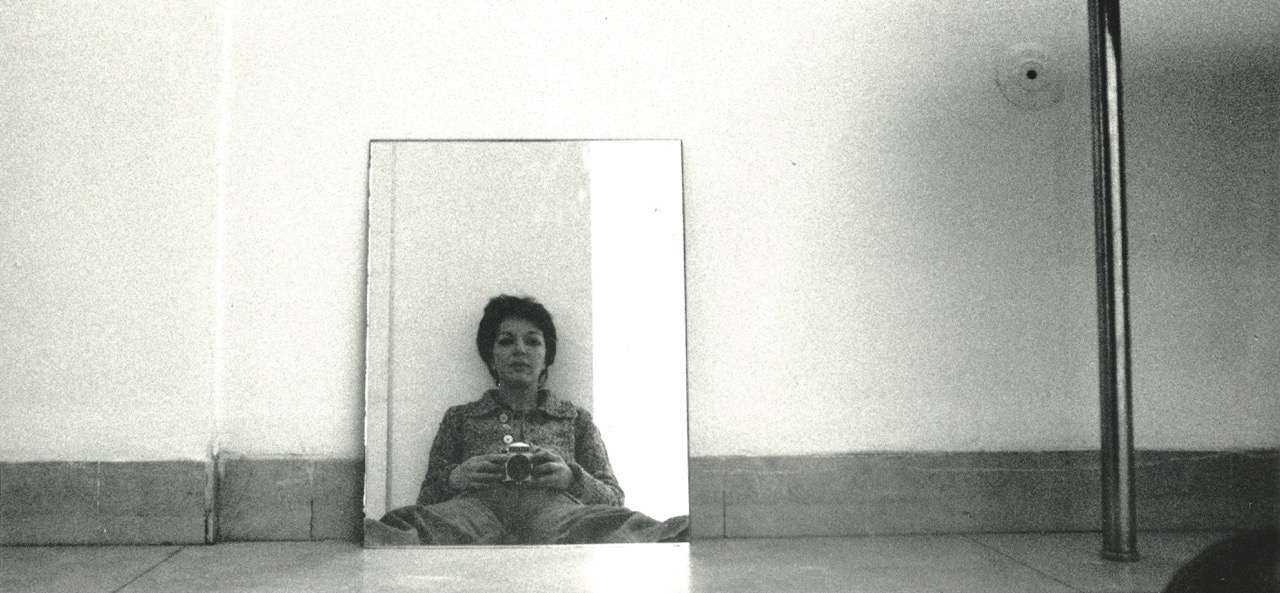
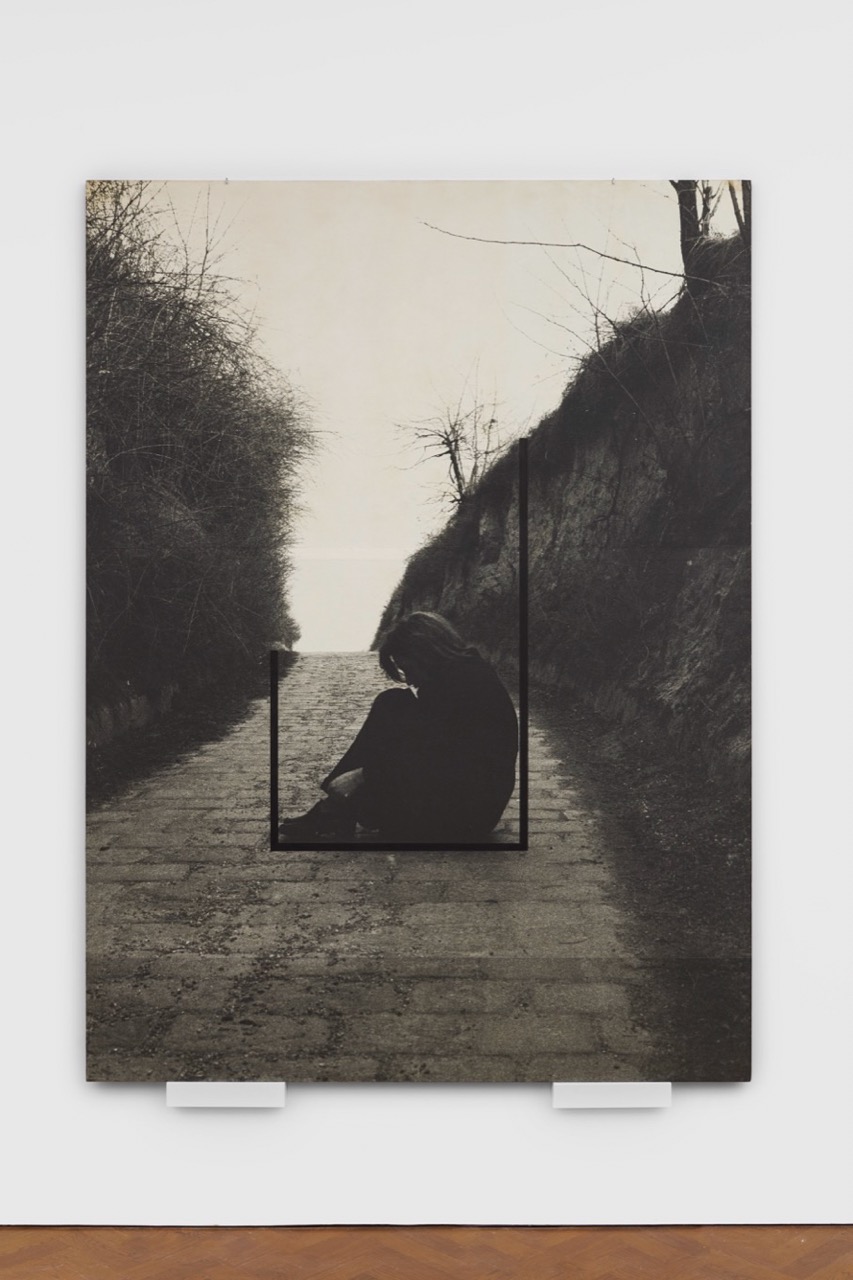
This is not merely a two-person exhibition. It is more accurate, in fact, to speak of an intense conversation made of gestures, postures, hands, glances, marks etched into the skin, and words that refuse to stay still on the page. Export and La Rocca never met; they worked in different contexts, Vienna and Florence, yet their works seem to respond to each other as if born from the same profound necessity: to reclaim the female body from systems of control and restore to it an autonomous strength. In the 1960s and 1970s, both understood that the dominant language was far from neutral. It was already a claimed territory, structured according to rules that determined who could speak and how. From this realization arose their radical choice to seek elsewhere: in the body, in gesture, in touch, in the living matter of experience. Photography, video, performance, writing, sculpture, all became interchangeable tools, porous surfaces through which a thought could pass that no longer wished to be tamed.
One of the most powerful threads running through the exhibition is that of the hands. Hands that point, that reach out, that close, that touch. For Ketty La Rocca, gesture precedes word, opening a more direct, almost primordial form of communication. In her work, the body seems to seek an original language, capable of saying “I” without asking for permission. In Valie Export, the body becomes a true site of critique: it exposes itself by subverting expectations, turning the spectator from a passive observer into an active participant, often placed in discomfort. Consequently, touch, more than sight, guides this journey. Skin replaces the screen, and the body becomes a surface of projection. This is not provocation for its own sake, but a deliberate strategy: to assert that thought cannot be separated from the body that produces it.
Public space is also subjected to radical questioning, since it is intimately connected to the body. Cities, streets, signage, and architecture are not neutral backdrops, but structures that shape identities and behaviors. La Rocca intervenes in urban language with irony and precision, dismantling its authority from within; Export physically inserts herself into corners, margins, and spaces, measuring them with her own body, as if to make visible the invisible constraints that limit it.

“The plan was to circumvent these forms of social control. […] This was the strength of the female body: to be able to express directly and without mediation.”
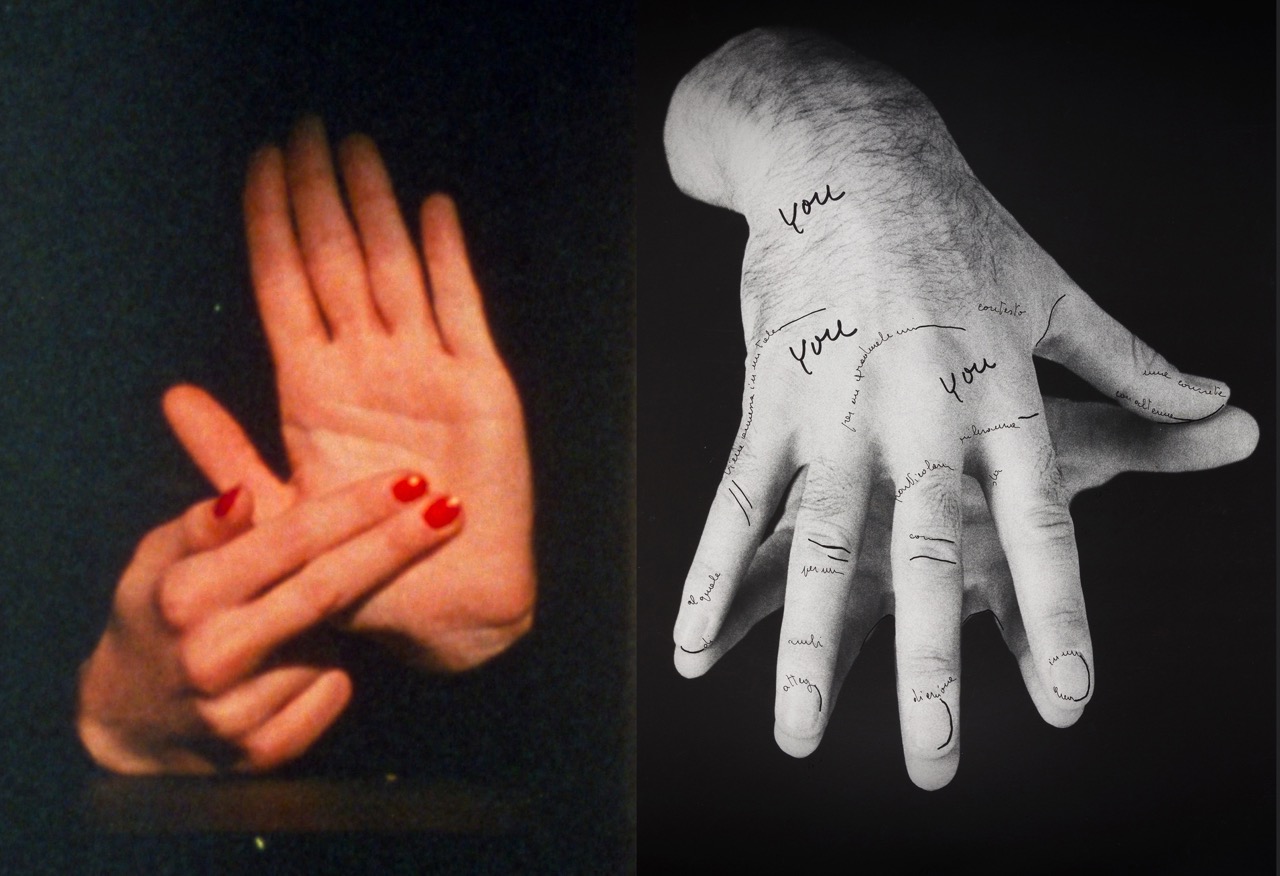
The exhibition takes its title from a series by Export in which the sign literally becomes body, and the body becomes sign. Yet this continuous exchange runs throughout the work of both artists. La Rocca makes it explicit with striking force when she brings letters, punctuation, and alphabets off the page, transforming them into objects, physical presences that are at once unsettling and familiar. Body Sign is neither a celebratory show nor an exercise in historical reconstruction. It is an experience that speaks to the present, because the questions Export and La Rocca posed remain open: who has the right to speak? In what language? And what happens when the body refuses to be merely an object to be looked at, becoming instead an active subject of meaning?
Upon leaving the galleries, what lingers is not a definitive answer, but a persistent and, unfortunately, unresolved feeling: that the body remains, even today, one of the most powerful and complex sites where identity, language and freedom intersect. And that truly listening to it requires attention, time, and the courage to question what we take for granted.
“Women have no time for declarations: they have too much to do, and moreover they would then have to use language that is not their own, language that is both alien and hostile to them.”

For further information Ropac.net.