Rome has always struggled to survive its own mythology, the narrative of a city that is exhausted, overloaded, brazen, and decadent. It has worn out every adjective and wonder, ending up misunderstood by both those who love it and those who hate it, risking entrapment in dangerous clichés. They call it the Eternal City, yet its urban fabric is incredibly fragile—an extraordinarily precious cultural ecosystem often overlooked in favor of more iconic sites. They call it provincial, while it has always been a global crossroads and still is one of the capitals with the highest diplomatic density in the world. No other Western city combines such diverse roles within itself: the capital of a nation-state, the center of global Catholicism, and the seat of multilateral institutions. Added to this are the historic foreign academies—such as the French Academy at Villa Medici, the Royal Spanish Academy, the German Academy Villa Massimo, and the British School at Rome—which continue to produce culture and train generations of artists and scholars. They say it’s been sold off to tourism, yet over 90% of its territory is virtually unexplored, with hundreds of remarkable ancient and modern buildings waiting to be rediscovered; former industrial complexes awaiting conversion, abandoned historic villas. The built heritage is immense and largely underused.
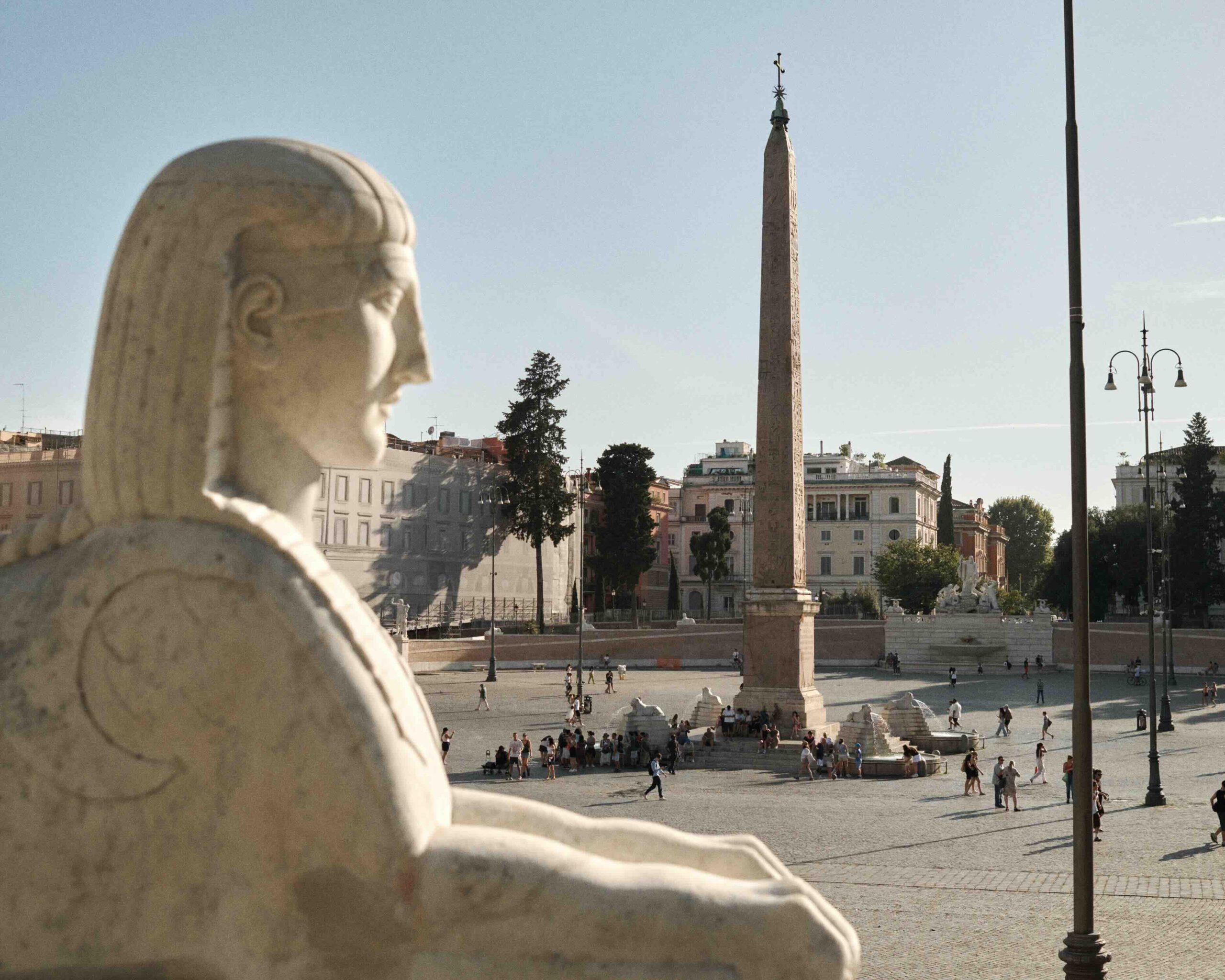
openign image: Piazza del Popolo. Photography Paolo Di Lucente.


They say it’s overwhelmed by concrete, yet it remains one of the leading European capitals in terms of green space and still preserves vast agricultural areas across its territory.Within the ring road, there are urban farms producing wine, vegetables, and cheese—an almost unique phenomenon in Europe. This productive landscape, coexisting with the monumental and modern city, is also a fundamental environmental and food resource.
Everyone imagines it as static and dusty like a museum, and yet it continues to be a laboratory overflowing with beauty and humanity. Amid all this confusion, what’s truly missing is a clear vision for its future—to avoid succumbing for good to Andy Warhol’s prophecy: a city that has simply existed for too long.
If we had to choose today the right perspective to tell the story of Rome to someone who doesn’t know it—or to change the mind of someone who thinks they do—we would probably start with its extraordinary theatrical vocation. Try walking through it, guided not by the destination, but by the journey itself; looking at things you think you know with new eyes, and seeking out those signs, carefully scattered, that guide the pilgrim/spectator through the city. You’ll discover that here, urban space becomes a stage set for universal order, a tool for visual communication of power, and a place where the sacred and the profane blend in a scenography orchestrated to amaze.


A city where space becomes narrative, and where the void between buildings is just as important as the buildings themselves. Today, Rome is experiencing a decisive phase in its recent history. Historic opportunities like the Jubilee and the National Recovery and Resilience Plan (PNRR) funds are converging to launch a highly ambitious urban agenda. The choices and interventions being made now will have a structural impact on Rome’s future—shaping its competitiveness, livability, and global role for decades to come. Learning to look at the city again in the right way would help us demonstrate how valuable and instructive its example still is—without falling into pointless comparisons or dangerous rivalries with other capitals. Its history already teaches us that a city can evolve over time without losing its vocation. Its ability to transform urban space in response to new meanings shows the importance of merging memory, function, and future vision—and offers us a model of resilience that we would be wise not to leave behind.
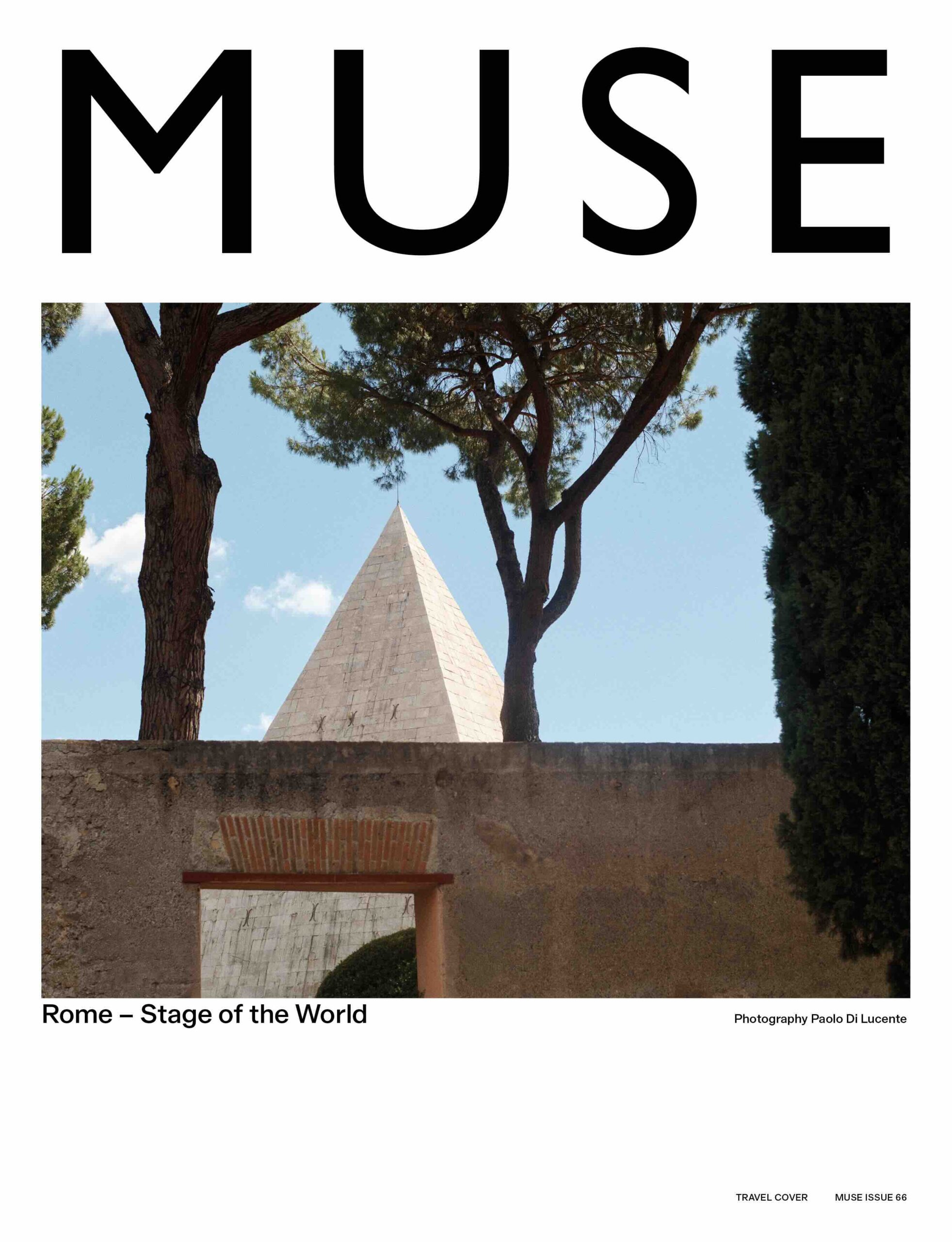
Discover the full Travel story in Muse Issue 66.